Banff's Wild Neighbors: A Guide to Respectful Coexistence

Banff's Wild Neighbors: A Guide to Respectful Coexistence
Despite its bustling town and popular attractions, Banff National Park boasts one of the highest densities of grizzly bears in the world, with an estimated population ranging from 60 to 70 individuals. This isn't just a fun fact; it underscores a fundamental truth about living in or visiting Banff—we share this incredible landscape with wild animals. This guide dives into understanding our local wildlife, ensuring everyone's safety, and fostering a respectful relationship with the creatures that call these mountains home. From the smallest chipmunk to the largest elk, knowing how to interact (or not interact) is key to protecting both yourself and these magnificent animals.
Understanding the animals around us is more than just a passing interest; it's a vital part of being a good steward of this unique environment. When you're prepared, you can enjoy the beauty of Banff without inadvertently causing harm or putting yourself at risk. It's about blending in, not standing out, in their world.
What Kind of Wildlife Should You Expect to See in Banff?
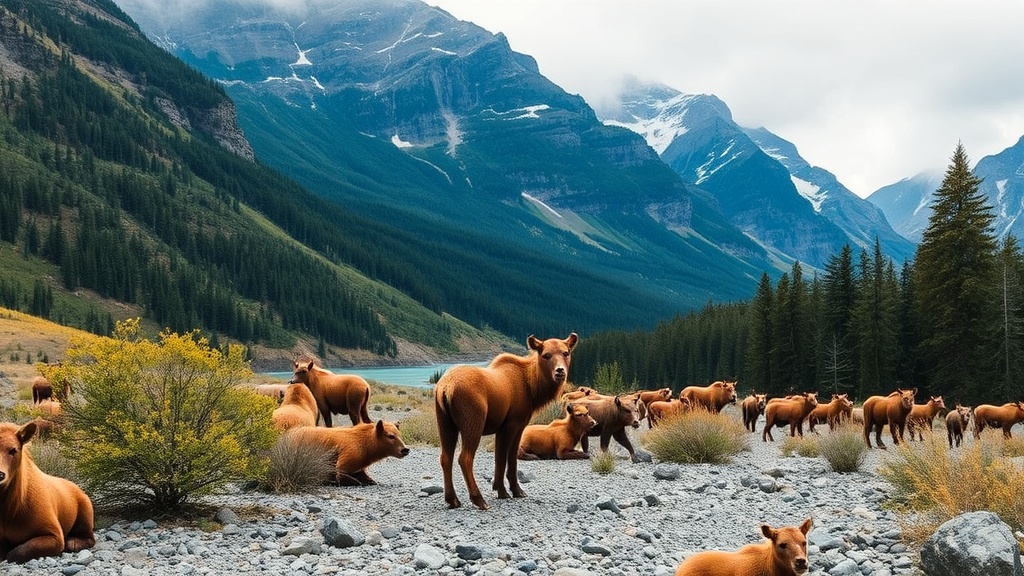
Banff National Park is a haven for diverse wildlife, making sightings a common—and often thrilling—occurrence. You’re likely to encounter an array of animals, each playing a crucial role in our ecosystem. The most frequently spotted large mammals include elk, deer, and bighorn sheep. Elk, especially, are prevalent right within the townsite, often grazing in open areas or sometimes meandering down residential streets. While they might seem calm, remember they are wild animals, particularly during rutting season in the fall or calving season in late spring when cows become very protective of their young.
Beyond these, look out for coyotes and foxes, nimble predators often seen on the fringes of town or along trails. They’re usually shy but can become habituated to human presence if fed. In higher elevations or quieter areas, you might spot mountain goats. Then there are the smaller, but equally captivating, residents: marmots whistling from rocky outcrops, pikas gathering hay for winter, and a variety of squirrels and chipmunks. Bird watchers will delight in spotting everything from jays and woodpeckers to majestic raptors soaring overhead.
Of course, the iconic residents of Banff are its bears—both black bears and grizzly bears. Black bears are generally smaller and often found in forested areas, while grizzlies prefer open meadows and alpine regions but can be encountered anywhere. Knowing the difference can sometimes be important, though safety precautions remain largely the same for both. Cougars and wolves, while present, are far more elusive and encounters are rare, a testament to their shy nature and the vastness of their habitat. For a more comprehensive look at the species inhabiting the park, Parks Canada offers detailed resources on