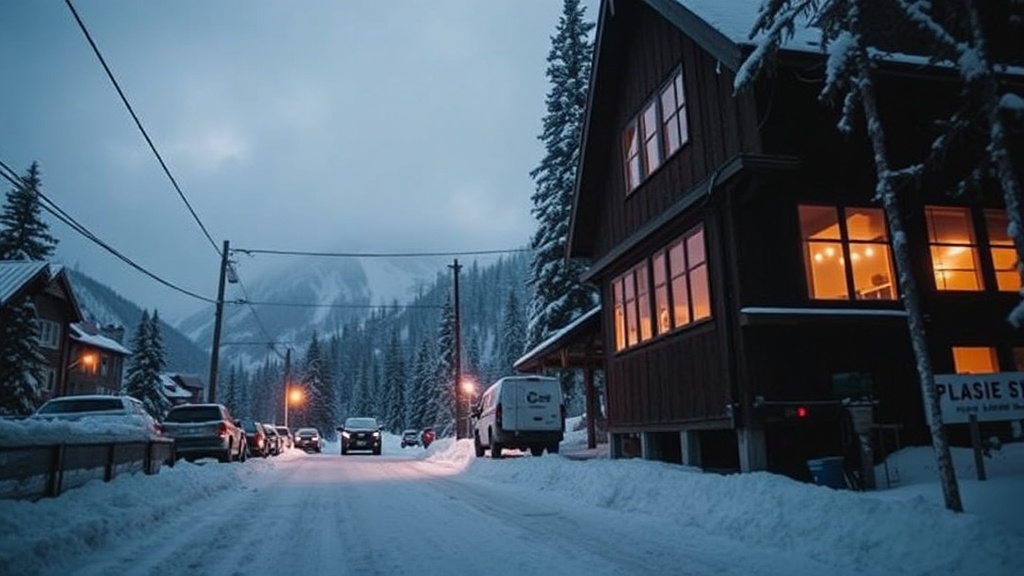
How We Handle Winter Power Outages and Storm Prep in Banff

What Should We Actually Worry About When the Lights Go Out?
Most newcomers assume Banff's biggest winter challenge is the cold. That's not quite right — it's the combination of mountain weather, limited access routes, and infrastructure that wasn't exactly built for 4 million annual visitors sharing space with 8,000 year-round residents. When a storm rolls through the Bow Valley and the power flickers, we locals know the drill. This isn't about catastrophic disaster preparedness (we're not doomsday preppers). It's about the practical, realistic steps we take in our mountain town when Environment Canada issues those winter storm warnings — and how we keep our households running when the grid hiccups.
I've lived through enough January blizzards on Squirrel Street to know that preparation here looks different than it does in Calgary or Edmonton. The gap between "uncomfortable evening" and "genuine problem" closes fast at 1,400 metres elevation. When the Trans-Canada Highway closes — which happens more often than Tourism Banff likes to advertise — we're functionally an island. That reality shapes everything about how we approach winter storm readiness.
How Do We Stock Supplies Without Going Overboard?
The temptation is to load up at the IGA on Banff Avenue like we're expecting the apocalypse. Don't. That approach clears shelves for everyone else and usually results in throwing out expired canned goods three years later. Instead, we build what I'd call a "living pantry" — items we actually use, rotated regularly.
Start with water. Yes, even in winter. When pipes freeze or treatment plants have issues, you'll want three days' worth — about four litres per person daily. Store it in reusable containers you actually rotate through. The basement storage units at many Banff Avenue apartment buildings stay cool enough to prevent plastic degradation, but check them seasonally.
For food, think "no-cook options that don't require opening the freezer." Power outages in Banff rarely last more than 24 hours (our municipal crews are excellent), but when they happen, you don't want to be opening that cold storage. Peanut butter, crackers, dried fruit, nuts, granola bars — things you'd actually snack on anyway. The Safeway on Elk Street carries decent options, though honestly, the Nutters on Caribou Street often has better prices on bulk dried goods if you're willing to make the extra walk.
Here's what most guides miss: fuel for your specific situation. If you're in one of the older character homes on Muskrat Street or Beaver Street, you might have a wood-burning fireplace — but do you actually know how to use it safely? Have your chimney inspected annually. The Banff Fire Department offers free safety checks, and they'll tell you straight if your setup is more decorative than functional. For apartment dwellers (most of us), it's about battery banks and knowing which USB devices can keep phones charged for emergency updates from the Town of Banff's alert system.
Where Do We Get Real Information During a Storm?
Here's the misconception worth challenging upfront: social media is not your friend during local emergencies. The Facebook groups for Banff locals are useful for commiseration, but they're also breeding grounds for rumours. That post about "the highway being closed for three days" might be someone's anxiety talking — or it might be outdated information from six hours ago.
The reliable sources are narrower than you'd think. The Town of Banff's official website updates their emergency status page with verified information. DriveBC posts actual highway conditions with timestamps. Environment Canada's alerts are specific to our elevation and microclimate — don't trust the weather app that thinks Banff and Calgary share the same forecast. They don't.
Sign up for the Town of Banff's Voyent Alert system. It's not spammy — I've received maybe four messages in two years, all for legitimate issues like water main breaks or severe weather warnings. The system sends texts, emails, or voice calls depending on your preference. Registration takes three minutes and could save you from being that person driving to the liquor store in whiteout conditions because you didn't get the "stay off roads" memo.
Know your neighbours. I'm serious — this matters more in Banff than most places. The transient nature of our workforce means that guy in 3B might be brand new and have no idea that Bear Street floods during certain spring thaws, or that the power historically goes out first on the west end of Wolf Street. Check in. Exchange numbers. The community here is genuinely supportive when we actually know who's living next door.
How Should We Actually Handle a Power Outage When It Happens?
First: don't panic. The grid in Banff is actually quite reliable — most outages last under four hours. The municipal infrastructure team knows their business, and they're highly motivated to fix issues quickly when temperatures drop below -20°C.
Unplug sensitive electronics immediately. When power returns, there can be surges. Your laptop and phone chargers can wait. What you should keep powered: one light source per room, your phone for updates, and — if you have medical needs — whatever equipment requires electricity (though most locals with serious medical conditions have backup plans, given our remote location).
Keep refrigerator and freezer doors closed. A full freezer will stay frozen for about 48 hours if you don't open it. Given that most Banff grocery runs happen weekly due to prices and logistics, this matters. If you're worried about food safety, the Health Canada guidelines on power outage food safety are specific and helpful.
Don't use gas stoves or barbecues for indoor heating. Every year, someone in the Bow Valley ends up in the Banff Mineral Springs Hospital with carbon monoxide poisoning because they got creative with heat sources. It's not worth it. Layer clothing, close off unused rooms, and huddle in your warmest space. If you have candles, use them in safe holders away from anything flammable — and don't fall asleep with them burning. The fire department has better things to do than extract you from a preventable situation.
If the outage extends beyond six hours and you have nowhere warm to go, the Banff Recreation Centre on Bunny Street historically opens as a warming centre during extended emergencies. Follow Town of Banff social media for these announcements — they coordinate with Parks Canada and local hotels to ensure nobody freezes.
What's Our Realistic Evacuation Plan?
For most weather-related situations, you don't evacuate Banff — you shelter in place. The roads out are often worse than staying put. But you should know your building's evacuation route anyway, especially if you're in one of the multi-storey residences on Lynx Street or Caribou Street.
Keep your vehicle's gas tank above half full in winter. Not because you're fleeing to Calgary — because running the engine for heat during a stranded situation requires fuel. If you do get stuck on the highway during a closure (it happens), stay with your vehicle. It's easier to find a car than a person wandering in blowing snow. Run the engine periodically for warmth, but crack a window to prevent carbon monoxide buildup, and clear snow from the exhaust pipe so it doesn't block.
Have a "go bag" ready — but make it realistic. Copies of important documents, medications, a change of warm clothes, basic toiletries. Not your entire photo album or three novels. You're going to the recreation centre, not moving to Saskatchewan.
When the power returns, check on elderly neighbours and anyone with young children. The community network matters here. We've all been the new person who didn't know the ropes, and we've all been helped by someone who'd been here longer. Pay it forward.
What Should We Keep in Our Emergency Kit Year-Round?
Minimum viable kit for Banff living: flashlight with extra batteries (or crank-powered), battery bank for phone charging, first aid supplies including blister care (you'd be amazed how many "emergencies" are actually just painful footwear choices), whistle for signalling, dust mask (wildfire season is real here too), moist towelettes, garbage bags, wrench to turn off utilities if needed, and local maps. Yes, paper maps — your phone dies, GPS fails, and knowing that Caribou Street connects to Beaver Street might actually matter.
Update your kit seasonally. That sunscreen from July won't help in February. The hand warmers you bought for ski season expire. Check expiration dates on medications and food items. Make it a ritual — maybe when you change your smoke detector batteries (which you should do twice yearly).
Living in Banff means accepting that nature doesn't care about our schedules. The mountains were here before us, and they'll be here after. Our job isn't to conquer them or even "prepare for every scenario" — it's to be reasonably ready for the likely disruptions so we can get back to what matters: enjoying this ridiculous, beautiful, occasionally inconvenient place we call home.