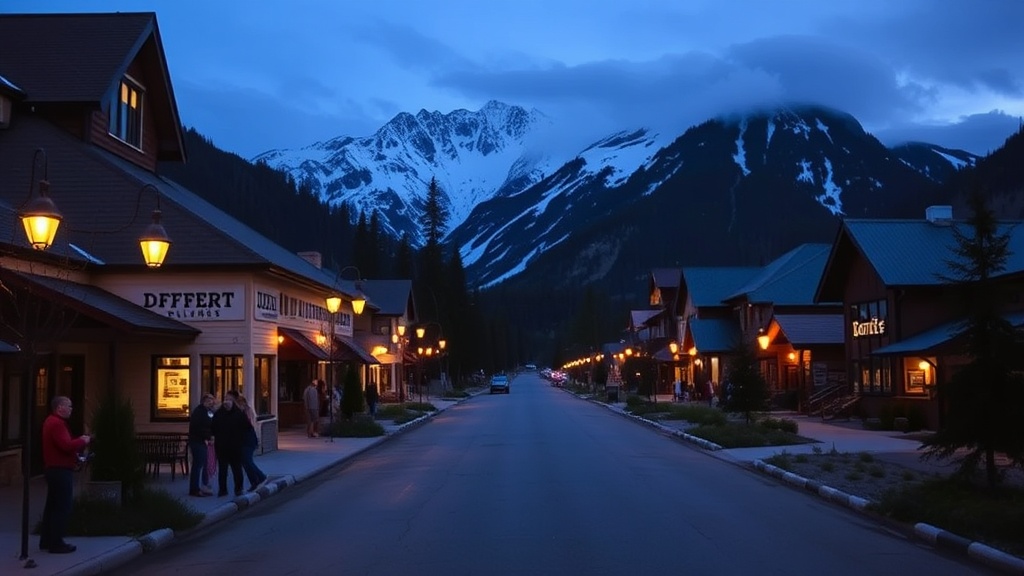
Where Do Banff Locals Go When We Want to Feel Connected to Our Community?

Where Do We Start Our Mornings Like True Locals?
While tourists line up for breakfast on Banff Avenue, we know the quiet stretch of the Bow River Trail behind the library is where you'll find us at 7 AM. There's a particular bench near the pedestrian bridge — you know the one — where dog walkers nod to each other in recognition and runners give that subtle wave that says "we're in this together." It's not about the view (though the mountain backdrop doesn't hurt); it's about the rhythm. We grab our coffee from Wild Flour Bakery on Lynx Street — yes, there might be a line, but it's mostly locals catching up on town gossip — then settle into our morning routine before the tour buses arrive.
The real secret? We don't actually spend much time on Banff Avenue before 10 AM. That's when the delivery trucks have finished their rounds, the locals have settled into their shifts, and the town breathes a bit easier. If you see someone reading a newspaper at Wild Flour at 8 AM on a Tuesday, they're probably one of us. We recognize each other by our practical footwear (you can't survive a Banff winter in fashionable boots), by our layered clothing that's seen better days, and by our general refusal to look up at the mountains every five minutes.
Morning is also when we run our actual errands. The post office on Beaver Street sees its share of locals shipping packages, picking up mail from boxes we've held for years, and catching up on community news posted on the bulletin board. It's not glamorous, but it's real. The staff know our names, they know which packages need extra care, and they understand the unique challenges of receiving mail in a town where many of us don't have permanent street addresses.
How Do Banff Residents Stay Active Without the Resort Prices?
Here's what visitors don't realize — we can't afford those hotel spa rates, and we certainly don't pay tourist prices for fitness. The Fenlands Banff Recreation Centre is where you'll find actual locals swimming laps, playing pickup hockey, or joining a drop-in yoga class that doesn't cost a month's rent. It's housed in a historic building near the train station, and it's honestly one of the best deals in town. Drop-in rates are reasonable, and the annual pass pays for itself if you're here year-round.
But it's not just about the gym. In winter, the frozen pond behind the rec centre becomes an impromptu community gathering spot. Parents teach their kids to skate, coworkers challenge each other to hockey games, and there's always someone willing to lend you spare skates if you forgot yours. This is Banff at its best — not the curated resort experience, but the real community coming together.
In summer, we take over the softball diamonds at the Banff Recreation Grounds. The local league is competitive but friendly, and it's one of the few places where seasonal workers and long-term residents actually mix on equal footing. You'll see kitchen managers playing alongside ski instructors, hotel housekeepers pitching to restaurant owners. The score matters less than the community building — post-game gatherings at the pavilion often stretch late into the evening, with potluck contributions and shared stories.
Where Can We Find Real Community Connection?
The Banff Centre gets all the attention for its arts programming (and deservedly so), but locals know there's more to community culture than the main stage. The Banff Public Library on Bear Street is the real heart of our town's intellectual life. Their programming includes everything from local author readings to practical workshops on mountain gardening — stuff that actually matters when you live at 4,600 feet.
They also run a tool library, which is brilliant when you live in a town where most of us rent small apartments but occasionally need a power drill. It's this kind of practical, sharing-economy approach that makes Banff sustainable for the service workers, artists, and entrepreneurs who actually keep the town running.
Then there's the Banff Seniors Centre, tucked away on Squirrel Street. Don't let the name fool you — they host community dinners, workshops, and social events that welcome residents of all ages. When the winter gets long and the tourist crowds feel overwhelming, these scheduled gatherings remind us that we're not just cogs in a hospitality machine. The intergenerational programming specifically brings together seniors and younger residents, sharing knowledge about everything from traditional crafts to local history.
The Banff Legion on Lynx Street serves a similar function for a different demographic. It's where veterans gather, yes, but also where locals watch hockey games without fighting through tourist crowds, where dart leagues compete with deadly seriousness, and where the Friday night meat draws are a genuine community institution. If you want to understand the real Banff — the one that existed before Instagram — spend an evening at the Legion.
What Local Services Do We Actually Rely On?
Living in a national park town comes with unique complications. Where do we register our vehicles? How do we access healthcare? What about when the power goes out during a January cold snap?
The Town of Banff's municipal offices aren't just for tourists with complaints — they're where we vote, where we get our resident parking permits, and where we attend council meetings that actually affect our daily lives. (Yes, locals do show up. The council chambers get surprisingly heated when development proposals threaten resident housing.) The Town of Banff website is bookmarked on every local's phone — not because we're obsessed with bureaucracy, but because road closures, water main breaks, and transit schedule changes actually matter when you live here.
For health services, the Banff Community Health Centre on Lynx Street handles everything from routine checkups to urgent care that doesn't quite need the hospital in Canmore. It's not fancy, but the staff know the community — they know which ski patroller is probably faking it for pain meds and which bartender actually needs help. They understand the physical toll that service industry work takes, and they're familiar with the seasonal patterns of injuries that come with tourism work.
And when we need to escape the madness? We head to the Waste Management Centre on Beaver Street. Just kidding — but only kind of. There's something oddly therapeutic about the routine of proper recycling and composting, of participating in the town's zero-waste initiatives. It's mundane, yes, but it's part of what makes living here feel real rather than performative. We take pride in our environmental stewardship because we see the impact of tourism waste every single day.
How Do We Wind Down Like Banff Locals?
By 9 PM on a Saturday, most of us aren't closing down the bars. We're walking home along sidewalks that have finally emptied out, or we're gathered in someone's small apartment for a potluck because restaurants are too expensive and too crowded. We share stories about the difficult customer we dealt with, the crazy question we got about bears, or the ridiculous price of rent these days.
We check the Town of Banff website for road closures and transit updates. We complain about the parking situation (always). We make plans to hike together on our days off — not the famous trails crowded with tourists, but the quieter ones like Tunnel Mountain at dawn or the hoodoos before sunset. We know which overlooks have cell service and which don't, and we treasure the ones that don't.
Some of us volunteer with local organizations — the food bank, the animal shelter, the trail maintenance crews. Others participate in citizen science projects tracking wildlife or monitoring water quality. These activities ground us in the physical reality of Banff, reminding us that we're part of an ecosystem that extends far beyond the service industry.
We also develop our own traditions that have nothing to do with the tourist calendar. The annual pond hockey tournament when the ice is thick enough. The unofficial competition to spot the first grizzly of spring. The shared groan when the first tour bus of the season appears, and the collective relief when the last one departs in autumn. These rhythms mark our time more accurately than any calendar.
And we remind ourselves that despite the challenges — the cost of living, the seasonal instability, the constant turnover of neighbors — we live in one of the most spectacular places on Earth. Not as visitors passing through, but as the people who make Banff work. We change the sheets, cook the meals, drive the buses, plow the roads, and somehow find time to build lives here. That resilience is what defines us — not our ability to get through tourist season, but our commitment to staying and making this town our home.